Behavior management and intervention are key aspects of maintaining a productive and organized classroom environment. As educators, it is important for us to implement strategies that promote positive behavior and help students develop self-discipline. One effective tool that can be used to achieve these objectives is a behavior chart. A behavior chart serves as a visual representation of a student’s behavior and can be used to track progress, provide incentives, and communicate with parents.
Behavior Chart Options
 One popular option is the Behavior Chart designed for classroom behavior management and behavior intervention. This chart utilizes a color-coded system to categorize behavior into different levels, such as “Outstanding,” “Great Job,” “Good Choices,” “Make Better Choices,” and “Parent Contact.” The chart helps students understand the expectations and consequences associated with their behavior.
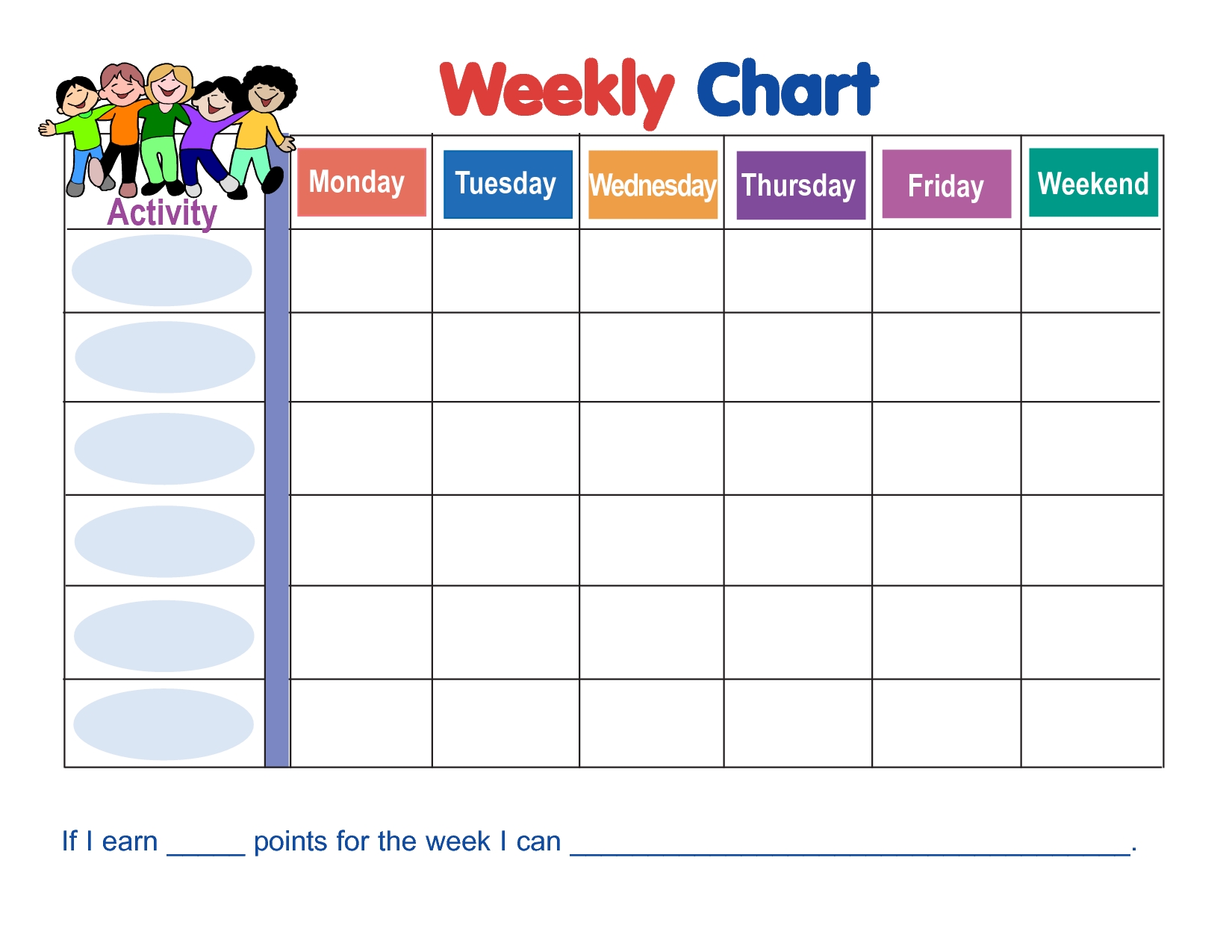 Another option is a printable blank behavior chart. This template allows educators to customize the chart according to the specific needs of their students. Teachers can add behavior categories, rewards, or consequences based on the individual requirements of their classroom.
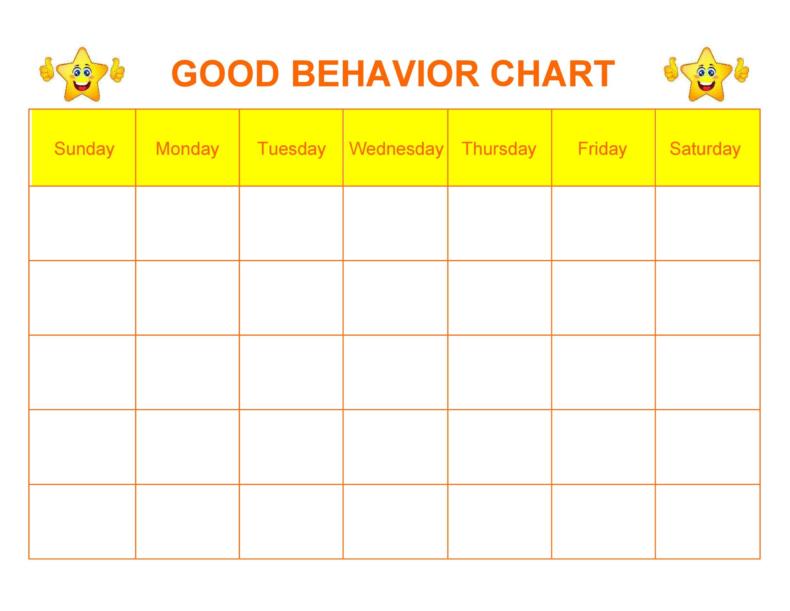 For those seeking a variety of behavior charts, TemplateLab provides 42 printable templates for kids. These templates offer different designs and themes, allowing teachers to choose the one that best fits their classroom atmosphere. Some examples include charts featuring superheroes, animals, or positive affirmations.
 Children often respond well to visual cues and images. Printout behavior charts for kids are readily available and cater specifically to their interests. These charts can feature popular characters from movies, cartoons, or books, making behavior tracking fun and engaging.
Benefits of Behavior Charts
Behavior charts offer numerous benefits and can significantly improve the classroom environment:
1. Visual Representation: By providing a visual representation of behavior, behavior charts help students understand and monitor their progress. The clear and concise format allows them to see the connection between their actions and the resulting consequences or rewards.
2. Accountability: Behavior charts promote accountability in students. When they can visibly see their behavior, they become more aware of their actions and strive to maintain positive behavior.
3. Goal-Setting: These charts can serve as a tool for setting goals and achieving them. Teachers can work with students to set behavior targets and track their progress, enabling students to take ownership of their behavior and work towards improvement.
4. Parent Communication: Behavior charts provide an effective means of communication between teachers and parents. Teachers can use the charts to inform parents of their child’s behavior and involve them in the process of reinforcing positive behavior at home.
5. Positive Reinforcement: Many behavior charts incorporate a rewards system, offering incentives for good behavior. This positive reinforcement motivates students and encourages them to maintain positive behavior consistently.
Conclusion
Behavior charts are a valuable tool for classroom behavior management and intervention. They assist educators in promoting positive behavior, maintaining an organized environment, and enhancing student accountability. While there are numerous options available, it is essential to select a behavior chart that aligns with the individual needs and preferences of your students.
By incorporating behavior charts into the classroom, teachers can create a positive and structured learning environment that fosters growth, self-discipline, and academic success.
