Did you know that crop rotation is an essential practice for maintaining healthy and productive vegetable gardens? It’s true! Crop rotation involves the systematic planting of different crops in a specific order over multiple years, which helps prevent the build-up of pests and diseases, improves soil fertility, and optimizes crop yields. Today, I want to share with you some interesting information about crop rotation and provide you with a handy crop rotation chart to help you plan your own garden.
Crop Rotation - The Three Year Crop Rotation Plan
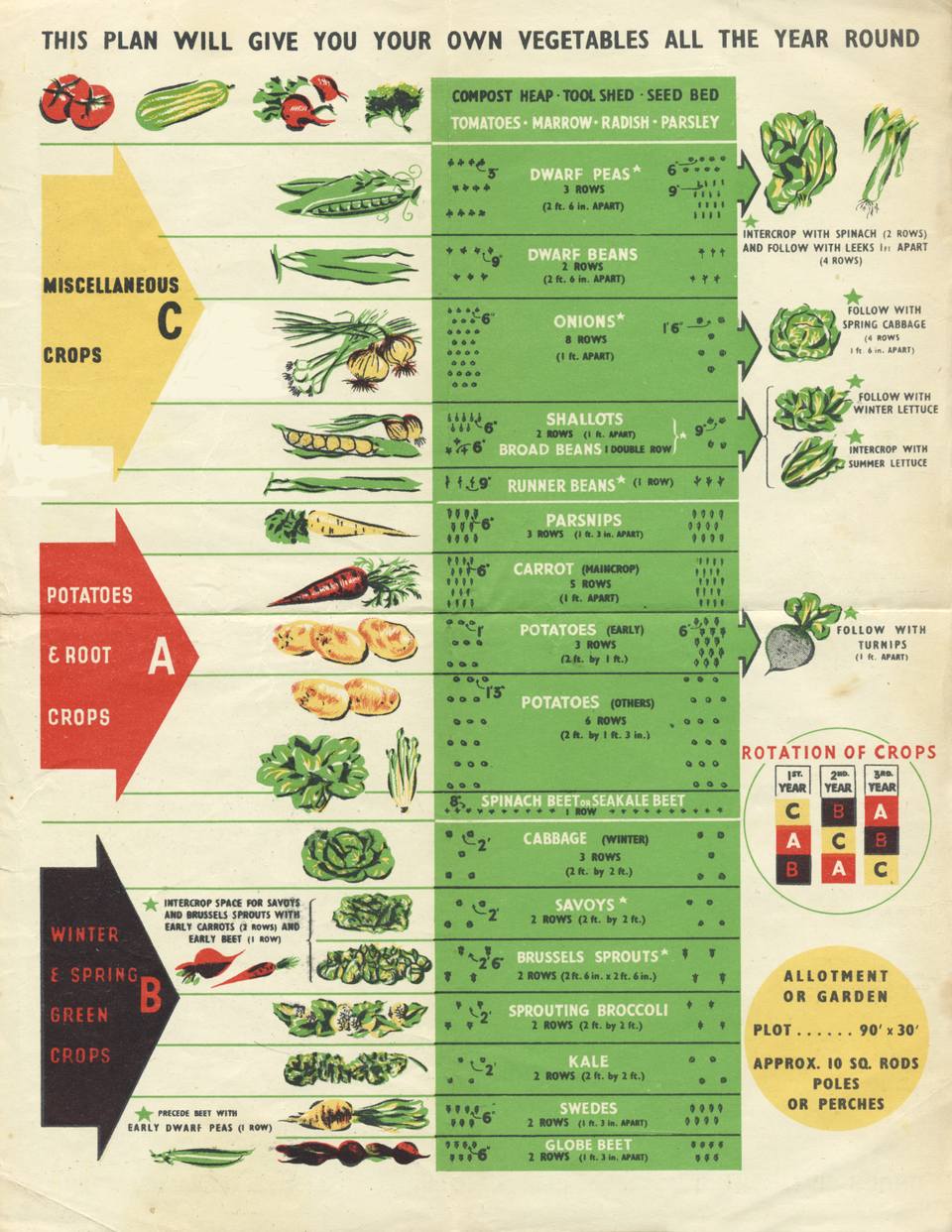 One popular method of crop rotation is the three-year rotation plan. This strategy divides crops into four different groups based on their biological families and their nutrient needs. In the first year, you would plant a group of crops such as brassicas (cabbage, kale, broccoli) and root vegetables (carrots, potatoes). The next year, you would plant legumes (beans, peas) and alliums (onions, garlic). Finally, in the third year, you would plant members of the nightshade family (tomatoes, peppers).
Pin on Garden
 Visual aids can be incredibly helpful when planning your crop rotation. This animated image showcases the rotation order of popular vegetables, giving you a clear idea of how to implement this practice in your garden.
Image result for vegetable crop rotation
 Here’s another visual representation of crop rotation for vegetable gardens. This image highlights the benefits of crop rotation, including improved soil fertility and reduced pest and disease pressure.
Crop Rotation Chart for Small Vegetable Garden
 If you have a small vegetable garden, this crop rotation chart is perfect for you. It outlines a four-year rotation plan, ensuring that you make the most of your limited space while maintaining soil health.
Printable Crop Rotation Chart
 For those who prefer a printable version of a crop rotation chart, this image is ideal. Simply print it out and hang it in your gardening shed or keep it in your garden journal for easy reference.
Simple and Effective Crop Rotation - Rolling Hills Farm
 Looking for a straightforward and effective crop rotation strategy? Rolling Hills Farm has you covered. This image showcases a four-year plan that ensures crops are rotated in a way that optimizes soil health and minimizes pest and disease pressure.
Crop Rotation Chart for Small Vegetable Garden in 2020
 If you want to stay up-to-date with the latest crop rotation recommendations, this 2020 chart is perfect for you. It provides a comprehensive plan for rotating vegetables, ensuring that your garden remains healthy and productive.
Printable Crop Rotation Chart
 Lastly, here’s another printable crop rotation chart that you can easily refer to whenever you’re planning your vegetable garden. By following this rotation plan, you’ll be well on your way to achieving bountiful harvests and maintaining the long-term health of your soil.
Whether you have a small vegetable garden or a large plot, implementing crop rotation is a wise investment of your time and effort. By rotating your crops, you can ensure optimal soil and plant health, resulting in increased yields and reduced pest and disease issues. So why not give it a try and start planning your crop rotation using one of the helpful charts or images provided above? Happy gardening!
