As we all know, training our furry friends is incredibly important for their well-being and our own peace of mind. Teaching your dog basic commands not only helps to establish a strong bond between you and your companion but also promotes safety and good behavior. Today, let’s dive into some essential dog training commands that every pup should learn!
- Sit
 One of the first commands a dog should learn is “Sit.” This basic command helps to keep your dog calm and obedient in various situations. It also serves as a foundation for other commands that require your pup to be in a controlled position.
- Stay
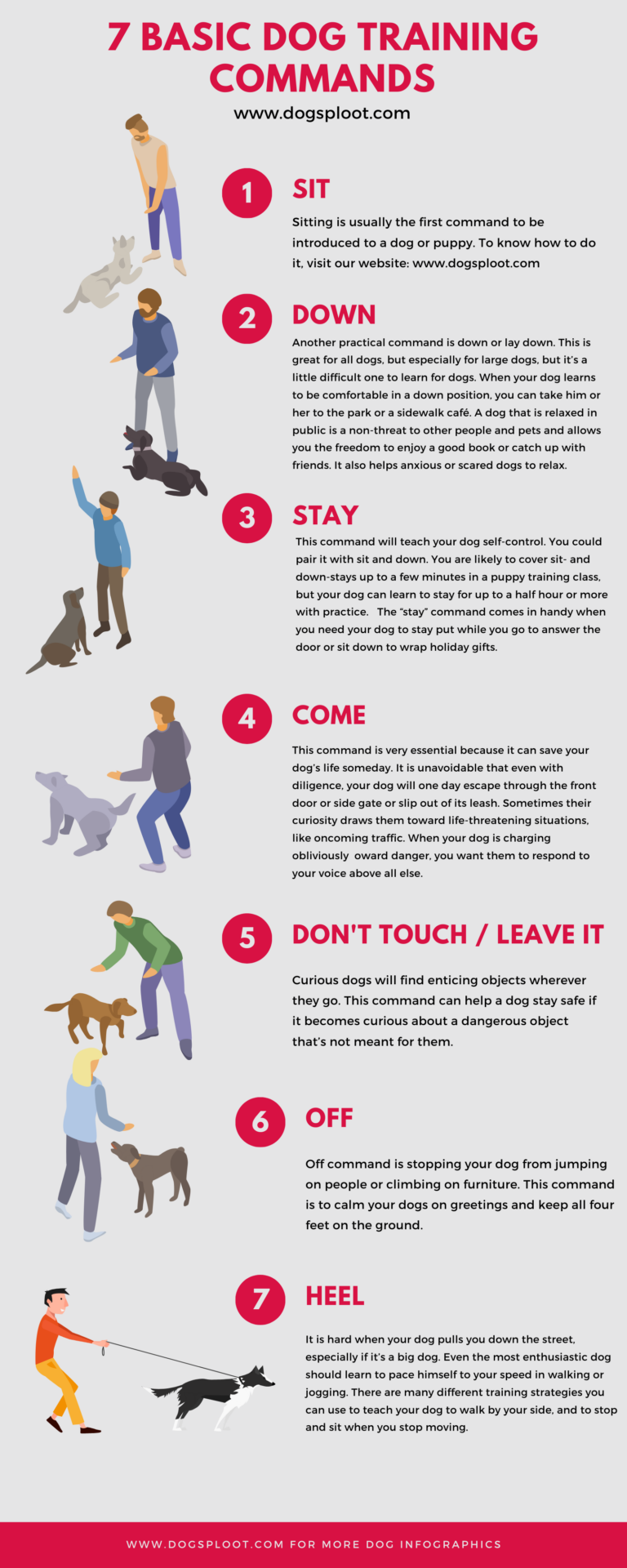 The command “Stay” is crucial for keeping your pup safe in potentially dangerous situations. It teaches them self-control and ensures they remain in one place until released. Make sure to practice this command in different environments to reinforce its effectiveness.
- Come
 “Come” is a command that can be a lifesaver in emergency situations. It allows you to call your dog back to your side instantly, keeping them out of harm’s way. Consistent practice and positive reinforcement are key to mastering this command.
- Leave It
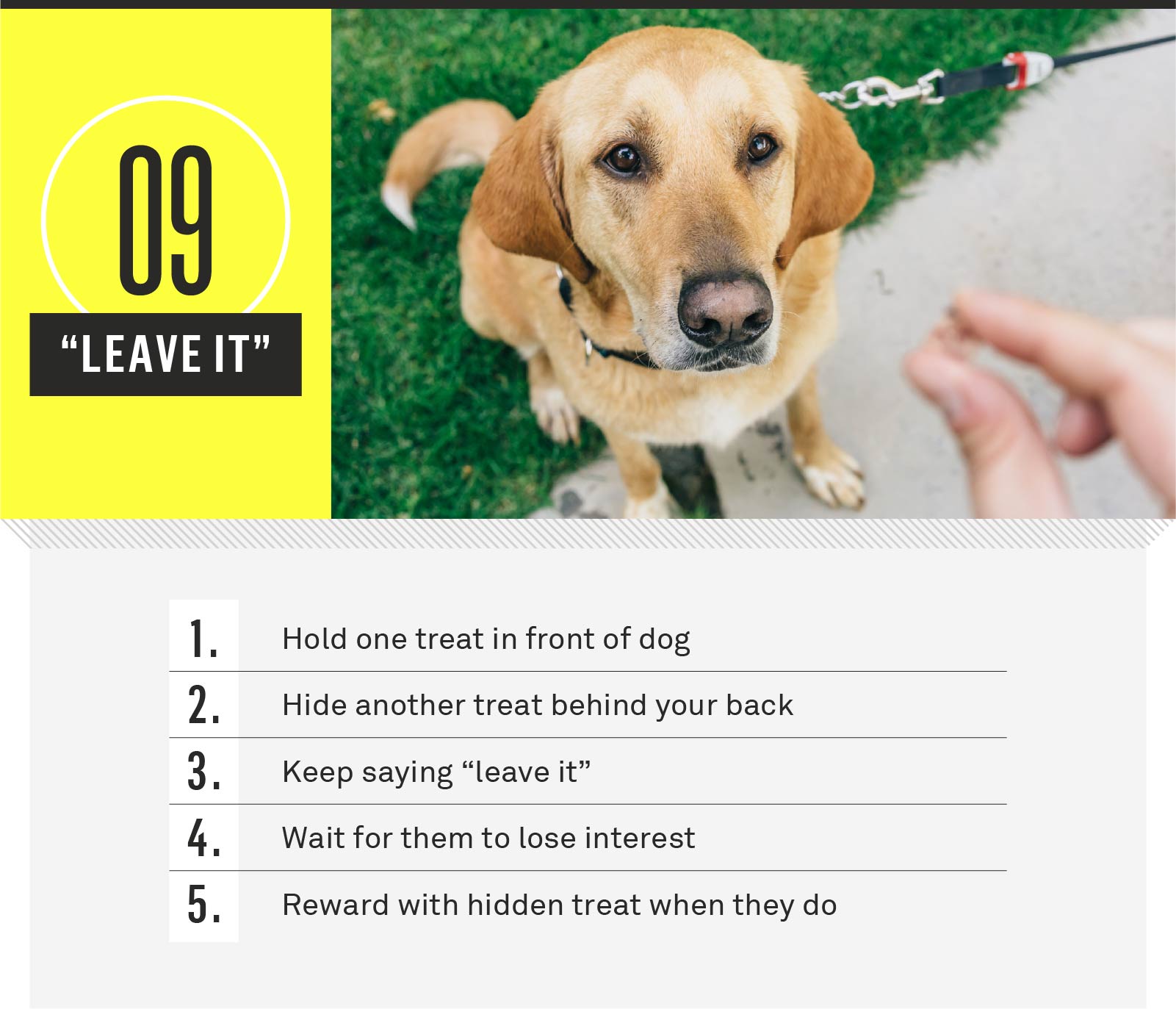 “Leave It” is particularly important for the safety of your dog. It teaches them not to touch or consume anything harmful they may come across during walks or playtime. This command can prevent potential accidents or health issues.
- Down
 “Down” is a command that encourages your dog to lie down in a relaxed position. It can be useful in situations where you want your dog to settle down, such as in crowded places or when guests visit your home. It promotes calm behavior and shows that you are in control.
These are just a few examples of essential dog training commands that you can teach your furry friend. Remember, consistency, patience, and positive reinforcement are key to successfully training your pup. Make sure to use rewards such as treats or praise to motivate and encourage them along the way.
It’s also worth mentioning that training hand signals can be a great addition to verbal commands. Dogs are incredibly perceptive and can easily understand visual cues. You can use hand signals alongside verbal commands to enhance communication with your pup.
.png?alt=media&token=3962671f-8df1-4bac-91c6-027ceb8a6949)Here is a handy reference chart that illustrates various dog training hand signals. It’s important to note that dogs may respond differently to hand signals, so make sure to practice them with your individual pup to ensure they understand.
In conclusion, training your dog is a rewarding and enjoyable experience for both you and your furry friend. By teaching them these essential commands, you are ensuring their safety and setting them up for a lifetime of good behavior. So grab those treats, get ready to bond with your pup, and embark on an incredible training journey together!
.png?alt=media&token=3962671f-8df1-4bac-91c6-027ceb8a6949)
