In today’s retail industry, it is crucial for store owners to stay organized and efficient in order to provide the best service to their customers. One way to ensure smooth operations is to use a retail store daily checklist. This simple yet effective tool helps keep track of important tasks and allows store owners to manage their time effectively.
Retail Store Daily Checklist
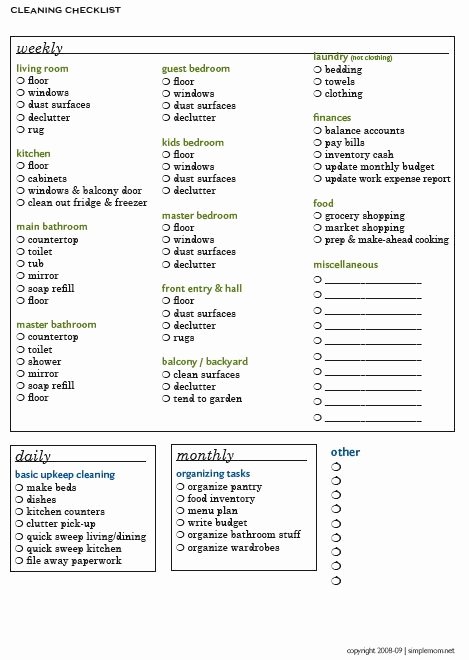 Having a well-designed retail store daily checklist is essential for anyone in the retail industry. It helps keep track of important tasks that need to be done on a day-to-day basis. By using a checklist, retail store owners can ensure that they are not missing any crucial tasks and are staying on top of their responsibilities.
The Importance of a Daily Checklist
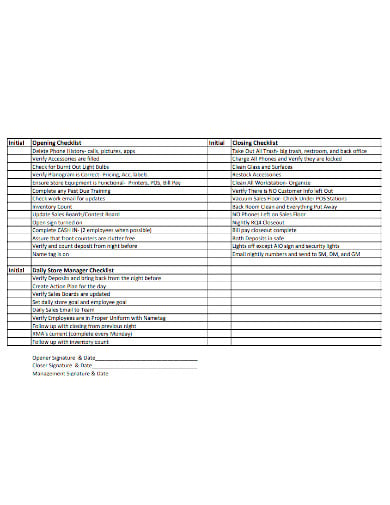
A daily checklist helps store owners prioritize their tasks and ensures that they are completing all necessary activities. It serves as a reminder for various activities such as restocking inventory, cleaning the store, and organizing displays. By having a checklist, store owners can prevent any important tasks from slipping through the cracks.
Using Technology to Create a Checklist
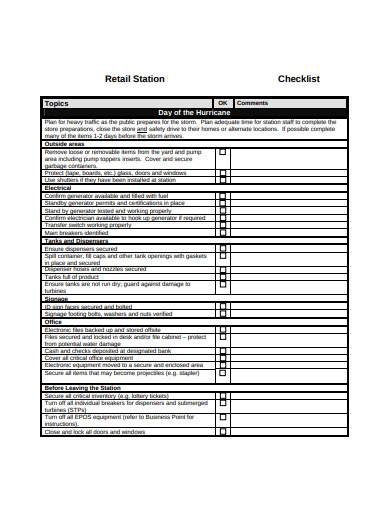
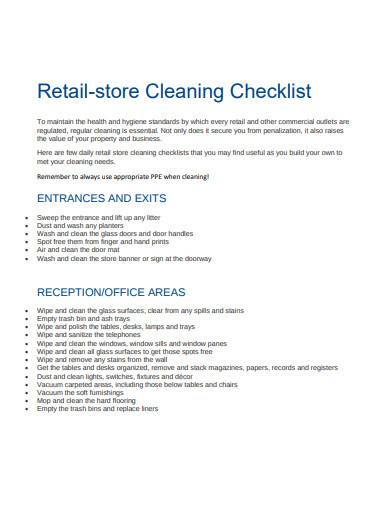 Thanks to technology, creating a retail store daily checklist has become easier than ever. Store owners can now use templates available online to customize their checklists to fit their specific needs. These templates are designed to be user-friendly and visually appealing, making it easier for store owners to keep track of tasks and stay motivated.
Tips for Creating an Effective Checklist
When creating a retail store daily checklist, it is important to consider the unique needs of your store. Here are some tips to help you create an effective checklist:
1. Identify key tasks: Start by identifying the key tasks that need to be done on a daily basis. This might include tasks such as restocking inventory, cleaning the store, and managing cash registers.
2. Prioritize tasks: Once you have identified the key tasks, prioritize them based on their importance. This will help you focus on the most important activities and ensure that they are completed on time.
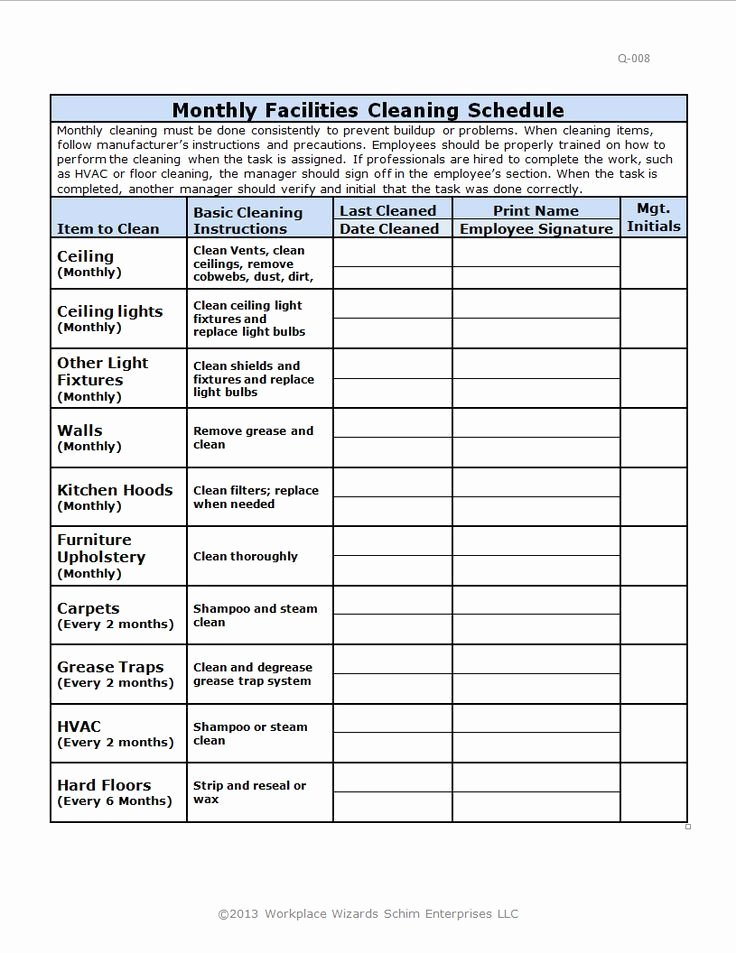
3. Be specific: When creating your checklist, be as specific as possible. Rather than simply writing “clean the store,” break it down into smaller tasks such as “sweep the floors,” “clean the windows,” and “dust the shelves.” This will make it easier to delegate tasks and ensure that everything is done thoroughly.
 4. Include time estimates: Assigning time estimates to each task can help you manage your time effectively. This will allow you to allocate the necessary time for each task and prevent any unnecessary delays.
5. Review and update: Regularly review and update your checklist to ensure that it remains effective. As your store evolves, your checklist should adapt to the changing needs of your business.
Ultimately, a retail store daily checklist is a valuable tool that can help store owners stay organized and efficient. By using a checklist, store owners can ensure that they are completing all necessary tasks and providing the best service to their customers. So why not give it a try and see the positive impact it can have on your store?
Sources:
1. Image 1
2. Image 2
3. Image 3
4. Image 4

5. Image 5
6. Image 6
7. Image 7
8. Image 8
9. Image 9

10. Image 10

