Printable solar panels are revolutionizing the way we harness and utilize solar energy. With their flexible and lightweight design, these innovative panels are making it easier than ever for Asian communities to embrace sustainable energy sources.
Printable Solar Panels: A Game-Changing Technology
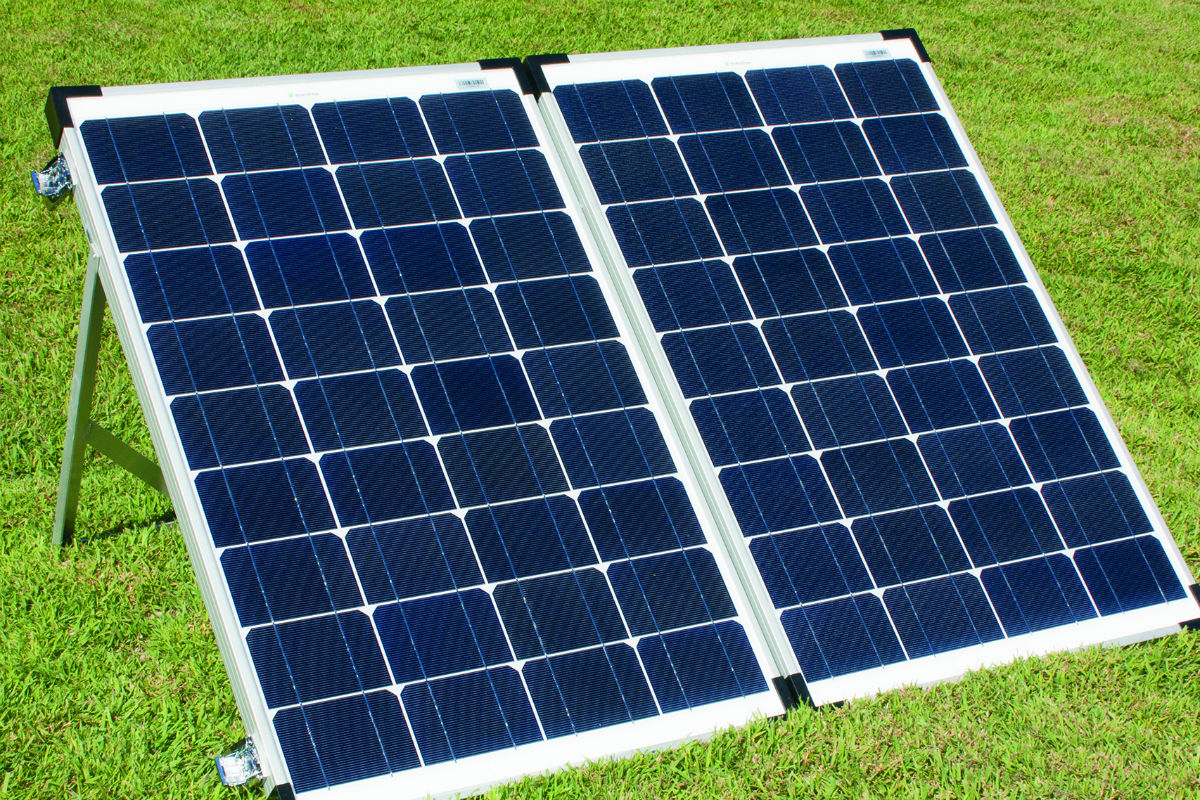 Printable solar panels are a groundbreaking technology that has the potential to transform the way we generate and consume energy. Unlike traditional solar panels, which are rigid and require specialized installations, printable solar panels are flexible and can be easily integrated into various structures.
One notable advantage of printable solar panels is their affordability. The manufacturing process for these panels is much cheaper than that of traditional solar panels. This cost efficiency makes them an attractive option for Asian communities, especially those in developing countries where access to renewable energy sources is limited.
The Many Applications of Printable Solar Panels
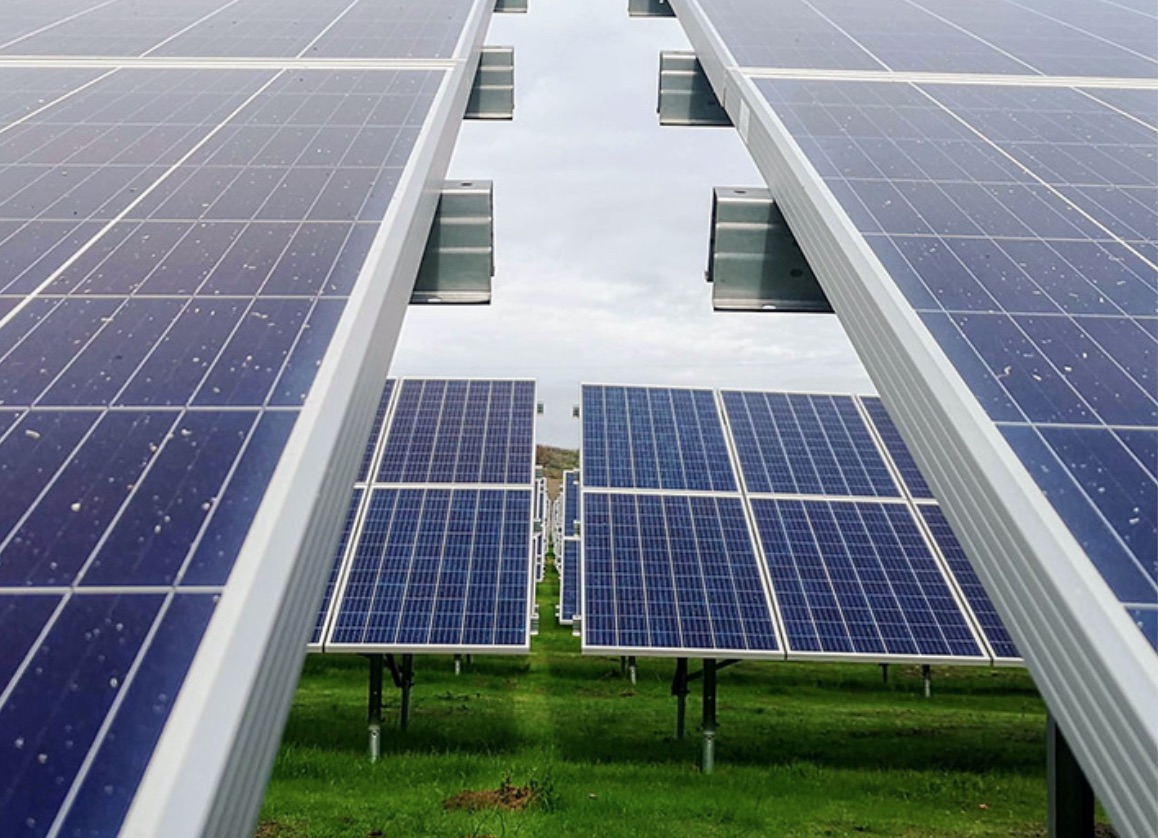 The versatility of printable solar panels opens up a wide range of applications. From small-scale residential use to large-scale industrial installations, these panels have the potential to power various devices and infrastructure.
For Asian households, printable solar panels can provide a reliable and sustainable source of electricity. Whether used to power lighting, charge electronic devices, or even run essential appliances, these panels offer a convenient solution to address energy needs in rural and urban areas alike.
The portability of printable solar panels also makes them ideal for off-grid living or during natural disasters. Asian communities, particularly those in remote areas, often face challenges in accessing electricity. Printable solar panels can be easily transported and installed, enabling individuals to generate their own power and reduce dependence on traditional energy sources.
Advancements in Printable Solar Panel Technology
 Researchers and innovators are continuously improving printable solar panel technology to enhance its efficiency and durability. One exciting development is the emergence of 3D printable solar panels.
These 3D printable solar panels offer even greater design flexibility and customization options. By utilizing various materials and designs, researchers are working towards maximizing energy output and reducing manufacturing costs.
Additionally, advancements are being made in the field of printable solar cell technology. Printable solar cells are an integral component of these panels and determine their energy conversion efficiency. Ongoing research aims to enhance the performance of printable solar cells, making them more efficient and cost-effective.
The Future of Printable Solar Panels
 As the technology behind printable solar panels continues to evolve, the future looks promising for Asian communities seeking sustainable energy solutions. These panels have the potential to transform not only individual households but also entire communities.
Imagine a future where entire villages in rural Asia are powered by printable solar panels. This would not only reduce carbon emissions but also improve living standards and economic opportunities for these communities.
It is important for Asian governments, organizations, and individuals to embrace and support the adoption of printable solar panels. By investing in research, development, and infrastructure, Asian countries can spearhead the transition towards a renewable energy future.
Printable solar panels are a game-changer in the field of renewable energy. They offer a sustainable, cost-effective, and accessible solution for Asian communities, empowering them to embrace clean energy sources and reduce their carbon footprint. With continued advancements in technology, printable solar panels have the potential to transform the energy landscape not only in Asia but worldwide.
