As we explore the wonders of our universe, let’s take a closer look at our magnificent solar system. It is a celestial marvel that never ceases to captivate us with its beauty and mysteries. From the scorching sun to the farthest reaches of our planetary family, each celestial body is unique in its own right. Join me as we embark on a journey through the solar system and discover the wonders that lie beyond our Earthly realm.
Astronomical Amazement
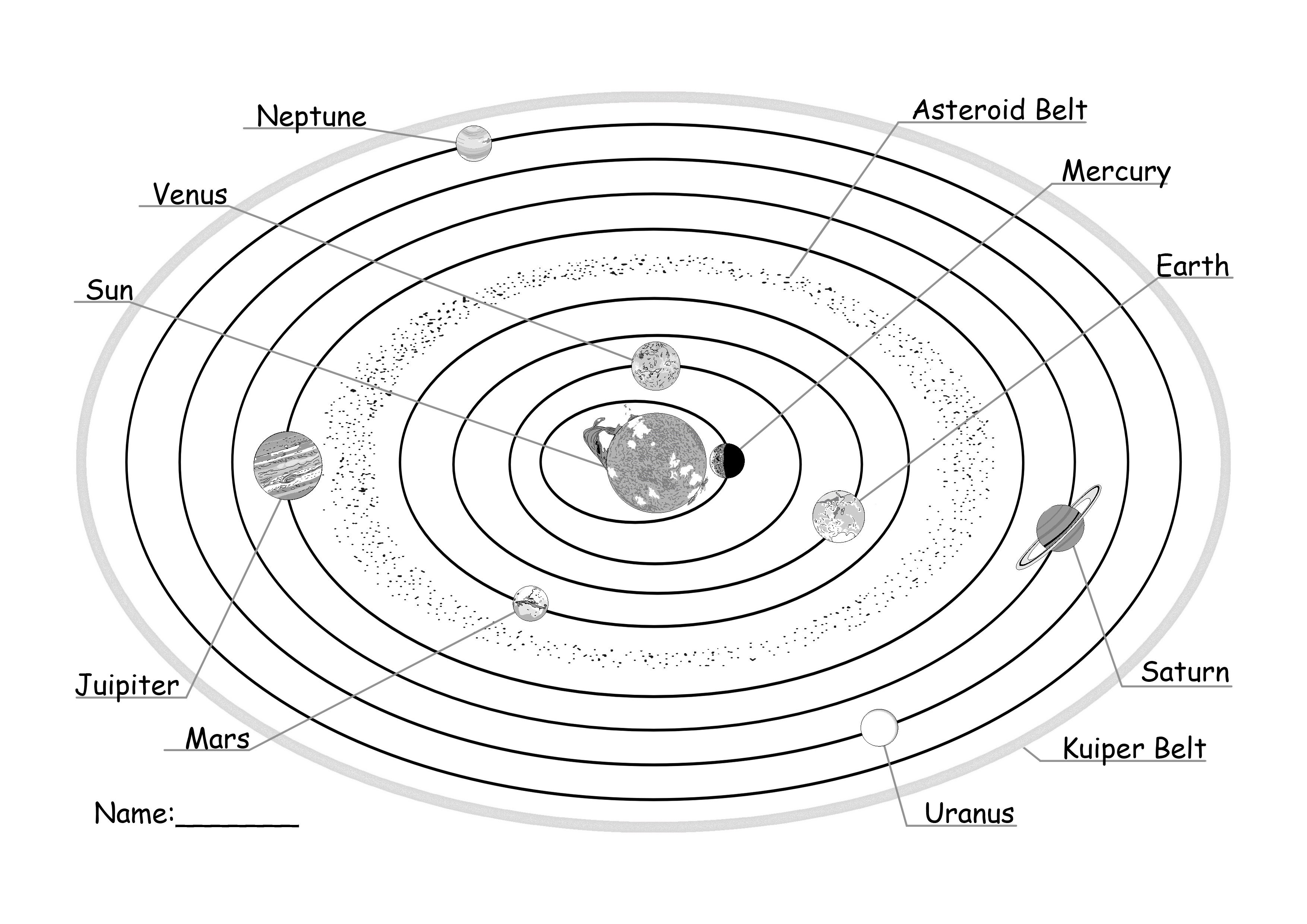
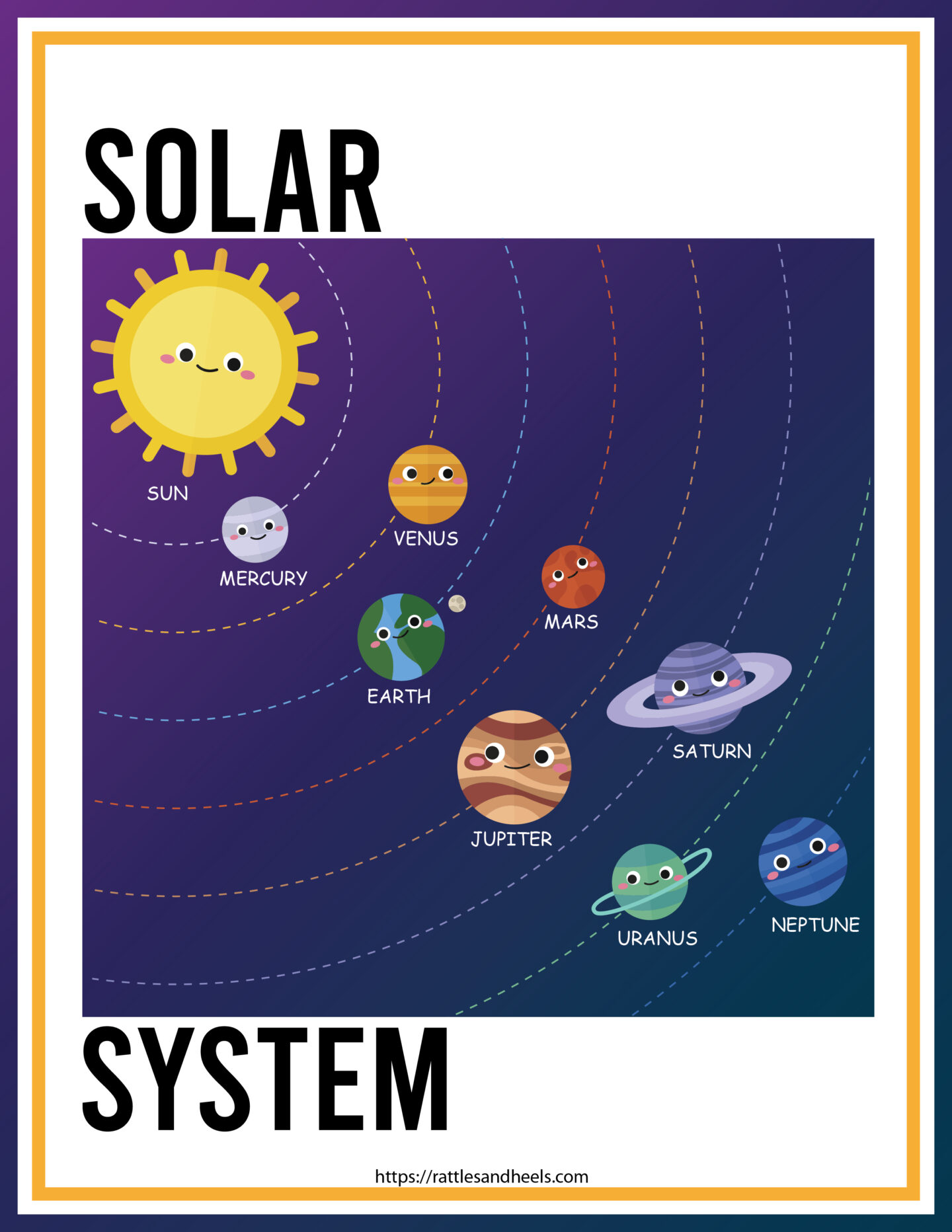 Our solar system is an intricate dance of planets, moons, asteroids, and comets that revolve around our guiding star, the Sun. With eight planets in total, each with its own unique characteristics, there is a wealth of astronomical amazement to explore. Let’s delve into the enchanting worlds that make up our solar system.
Mercury, the Swiftest Planet
 Mercury, the closest planet to the Sun, is a scorching hot world with a thin atmosphere. It is named after the Roman messenger god due to its fast orbit around the Sun. Despite its proximity to our star, Mercury experiences extreme temperatures, swinging from blazingly hot to bitterly cold.
Venus, the Evening Star
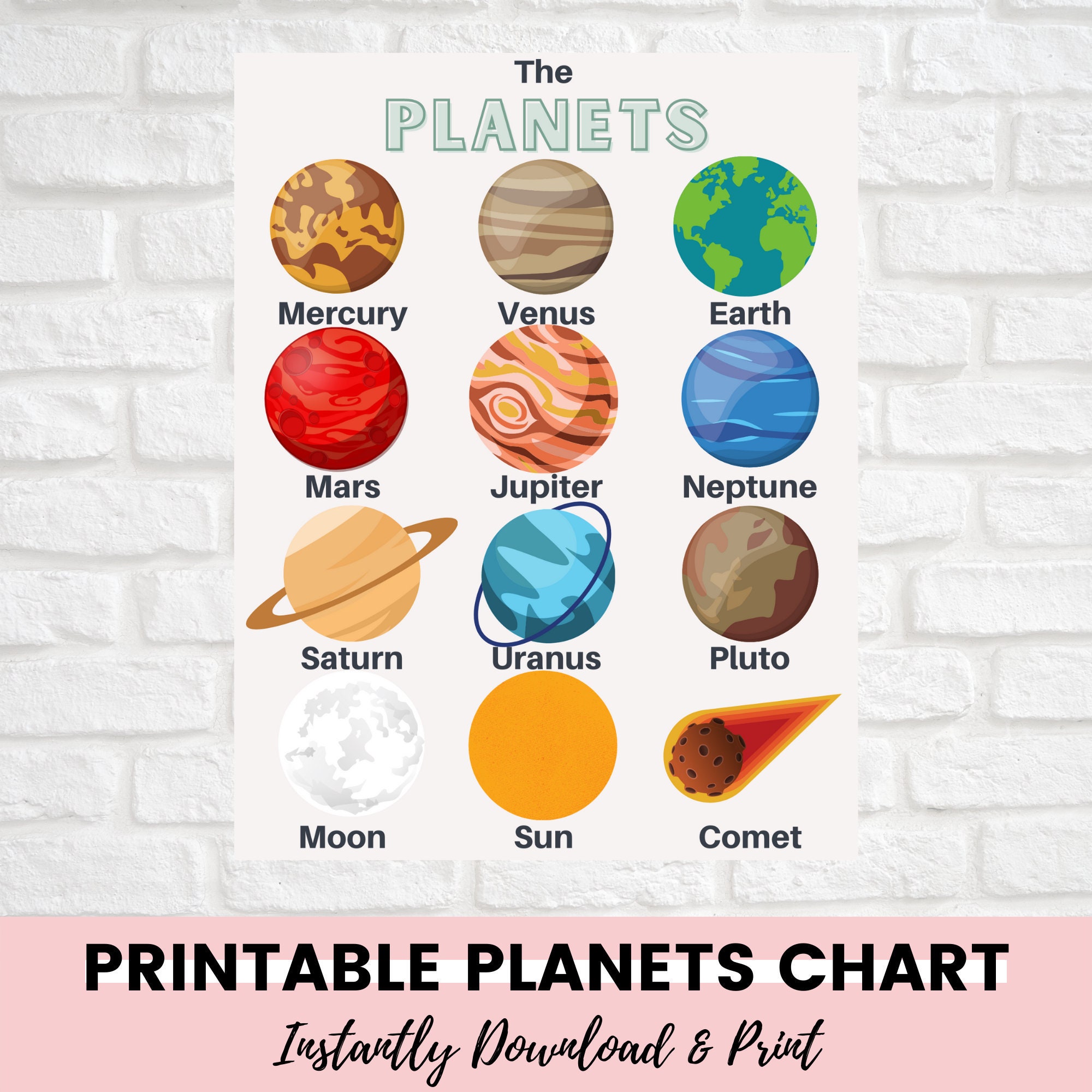 Venus, often referred to as the evening star, is the second planet from the Sun. It is an intriguing planet with a thick atmosphere that traps heat, making it the hottest planet in our solar system. The Venusian landscape is dominated by volcanoes, valleys, and vast plains, making it an enigmatic world worthy of exploration.
Earth, Our Cosmic Home
 Ah, our beloved planet Earth, the blue jewel of the solar system. It is the only known celestial body to harbor life, teeming with diverse ecosystems and a vibrant human civilization. From the breathtaking landscapes to the vast oceans that cover a significant portion of its surface, Earth truly stands out as a remarkable planet.
Mars, the Red Planet
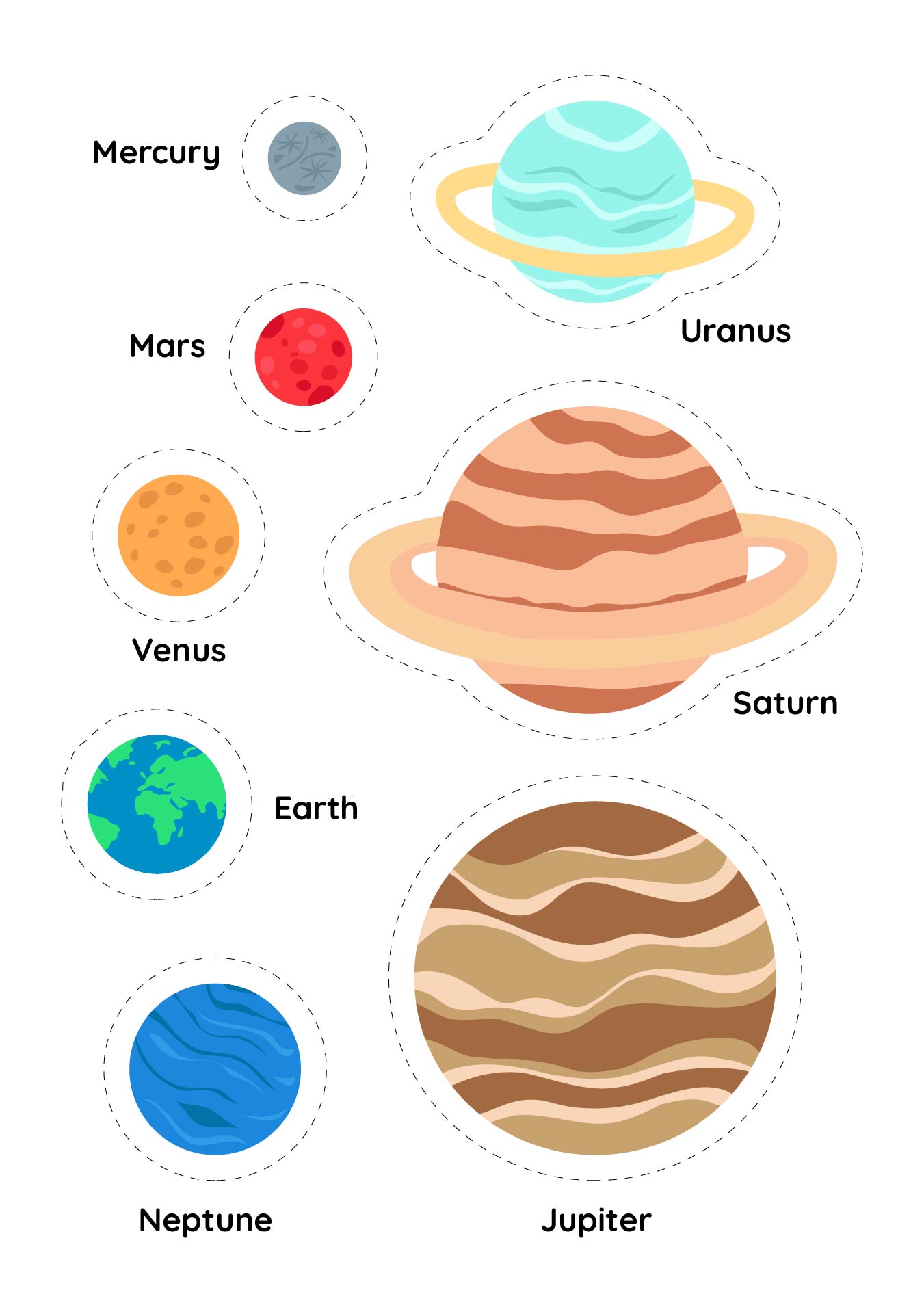 Mars, also known as the red planet, has captivated the imaginations of scientists and explorers for centuries. With its rusty red hue, Mars has an atmosphere thinner than Earth’s but features towering volcanoes, deep canyons, and polar ice caps. Scientists eagerly study Mars for potential signs of past or present life.
Jupiter, the King of Planets
 Jupiter, the largest planet in our solar system, is a dazzling gas giant. With its iconic bands of clouds and a mesmerizing storm known as the Great Red Spot, Jupiter is a captivating sight. It has a retinue of moons, including Ganymede, the largest moon in the solar system.
Saturn, the Ringed Beauty
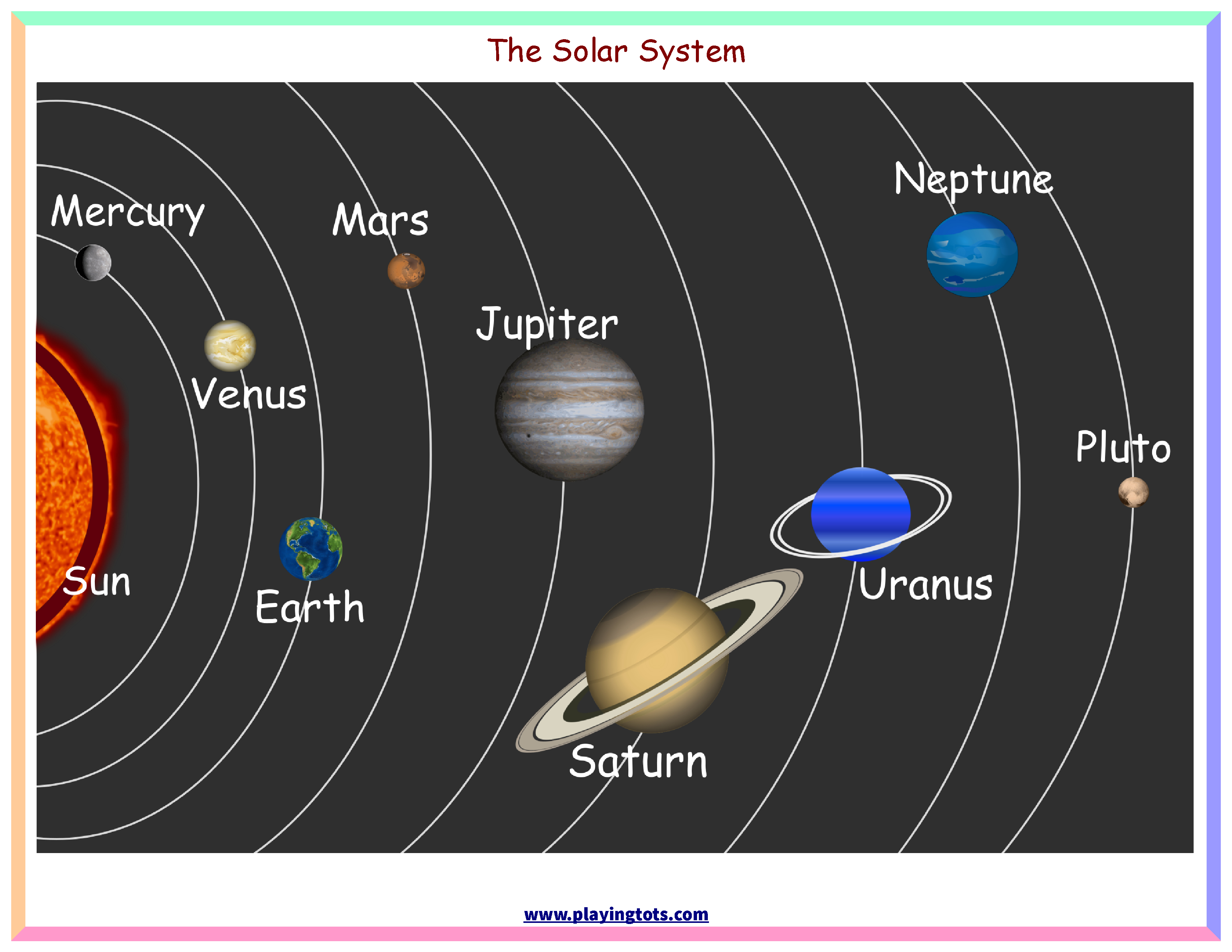 Saturn, with its stunning ring system, is undoubtedly one of the most visually striking planets in our solar system. The distinctive rings, made up of countless icy particles, encircle the gas giant, creating a celestial spectacle. Saturn also boasts a wide range of captivating moons, such as Titan and Enceladus, which offer further insights into the mysteries of our universe.
Uranus, the Tilted Wonder
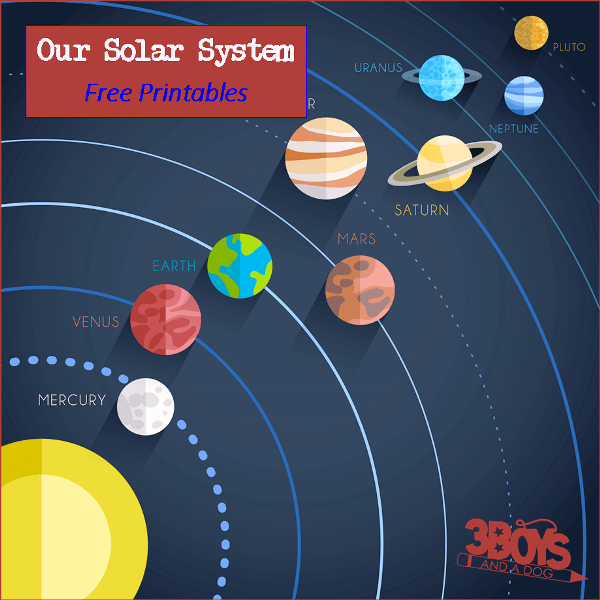 Uranus, the seventh planet from the Sun, has a peculiar quality that sets it apart from the rest of the planets. It spins on its side, with its axis tilted at an extraordinary angle. This unique feature is responsible for the extreme seasons experienced by Uranus and its fascinating magnetosphere.
Neptune, the Mysterious Giant
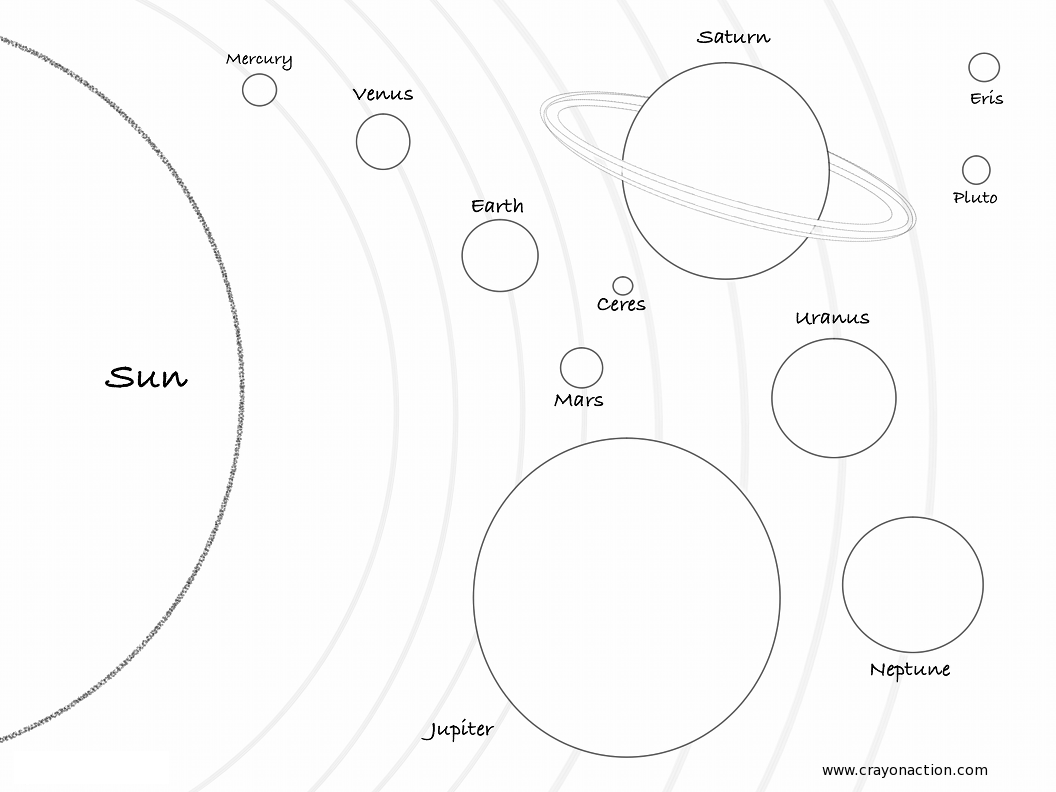 Neptune, the eighth planet in our solar system, is a distant and mysterious giant. It is known for its striking blue color, which is caused by methane in its atmosphere. With powerful winds and supersonic storms, Neptune is a planet of extremes, offering a glimpse into the wild and awe-inspiring nature of our universe.
The Enigmatic Outer Reaches
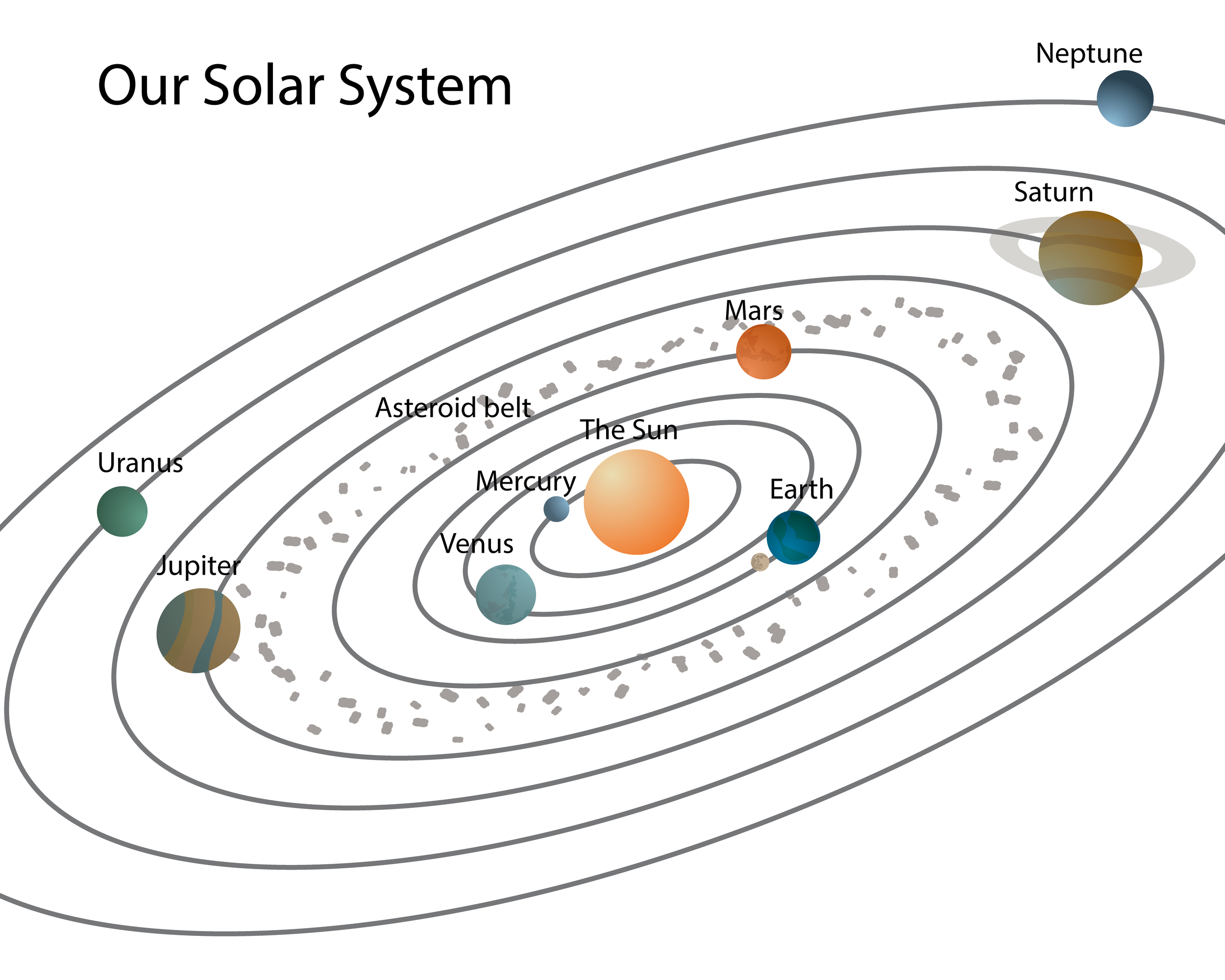 Beyond the known planets lie the enigmatic outer reaches of the solar system, including the dwarf planet Pluto and the vast Kuiper Belt. These distant realms are still shrouded in mystery, enticing scientists and astronomers to explore their secrets. Who knows what incredible discoveries await us in these uncharted territories?
As we conclude our cosmic adventure through the solar system, let us marvel at the diversity and beauty of these celestial bodies. From the scorching deserts of Mercury to the captivating rings of Saturn, our solar system never fails to astound and inspire us. Through continued exploration and scientific inquiry, we will undoubtedly uncover even more extraordinary wonders that lie beyond our Earthly confines, expanding our understanding of the vast universe we call home.
